
Creative health
Why craft matters for health and wellbeing at every stage of life
Today I had the opportunity to attend the European Crafts Alliance webinar, The Role of Craft in Wellbeing Across Life Stages, which explored the growing evidence that craft is much more than a creative pastime - it can be a powerful contributor to health and wellbeing throughout our lives.
One of the most compelling parts of the webinar was hearing about the recent publication of research commissioned by the European Crafts Alliance and undertaken by the University of Eastern Finland. Drawing on scientific literature, surveys and interviews from across Europe, the study highlights how engagement with hands on craft can support mental wellbeing, reduce stress, strengthen social connections and provide meaningful opportunities for learning and participation.
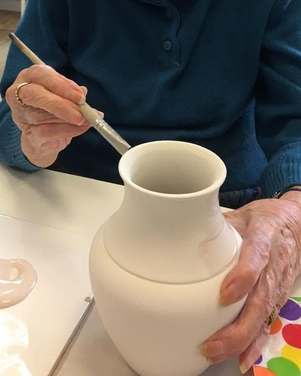
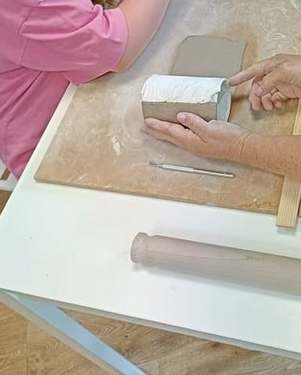
What stood out was the emphasis on craft as something that benefits people at every stage of life. For children and young people, making develops confidence, agency and a sense of belonging. For adults, creative activities can offer respite from increasingly digital lives, providing opportunities for focus, mindfulness and self-expression. In our senior years, craft can support cognitive function, social participation and continued purpose.
Alex Finberg from Woodcrafters UK, showcased how craft is increasingly being used in community health initiatives, rehabilitation programmes and social prescribing projects. This growing recognition moves craft beyond being viewed solely as a cultural activity and highlights its role as a valuable tool for building healthier, more connected communities.
Dr Anne Kirketerp (founder of Craft-Psychology) also argues that craft is a powerful tool for wellbeing because it has an innate effect on how we feel. Engaging in making and doing activities can activate the parasympathetic nervous system (the part of our nervous system responsible for rest, recovery and relaxation), suggesting that working with our hands may tap into a deeply rooted human response.
As someone passionate about creative engagement, the findings reinforce something many makers, artists and community practitioners have witnessed for years - when people make things with their hands, something important happens. Craft creates opportunities to slow down, connect with others, develop skills, express identity and experience achievement.
As further research emerges, there is an exciting opportunity for policymakers, health professionals, educators and community organisations to recognise craft not simply as an artform, but as a meaningful contributor to public health and wellbeing.
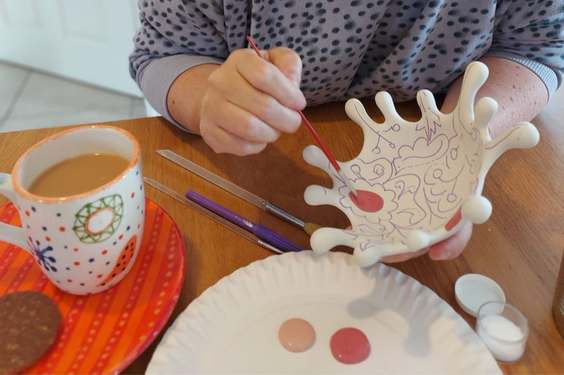
Today’s webinar was a timely reminder that creativity is not a luxury. It is an essential part of what helps people and communities thrive. We have plenty of accessible opportunities to get creative and crafty at The Paint Pottle - click here (What’s on) to see all of our guided workshops and events or book into the studio Tues - Sat for pottery painting by emailing claire@thepaintpottle.co.uk.
Come and make something real